
If someone told you that the “boring green stuff” washing up on the beach is secretly one of the most powerful life forms on Earth, would you believe them? Most people wouldn’t — until they try seaweed scuba diving in Kovalam and watch entire forests sway beneath the waves like something out of a dream. Seaweed isn’t slimy ocean litter. It’s an oxygen factory, a nursery, a hiding spot, a food source, and — for divers at Bond Safari Kovalam — one of the most underrated reasons to strap on a tank and disappear beneath the surface.
Kerala’s coastline has spent years being celebrated for its backwaters, beaches, and sunsets. But right beneath the surface of the Arabian Sea near Kovalam lies a quieter, stranger, far more alien world — a world of drifting green ribbons, hidden fish nurseries, and marine gardens that most tourists never even know exist. This blog is your deep dive (literally) into the science, the wonder, and the sheer weirdness of seaweed, and why seaweed scuba diving in Kovalam with Bond Safari might just become your favorite reason to book a dive.
By the time you finish reading, you won’t look at a rockpool the same way again — and you’ll probably want to book a dive slot before you even reach the last paragraph.
What Is Seaweed, Really? (It’s Not What You Think)
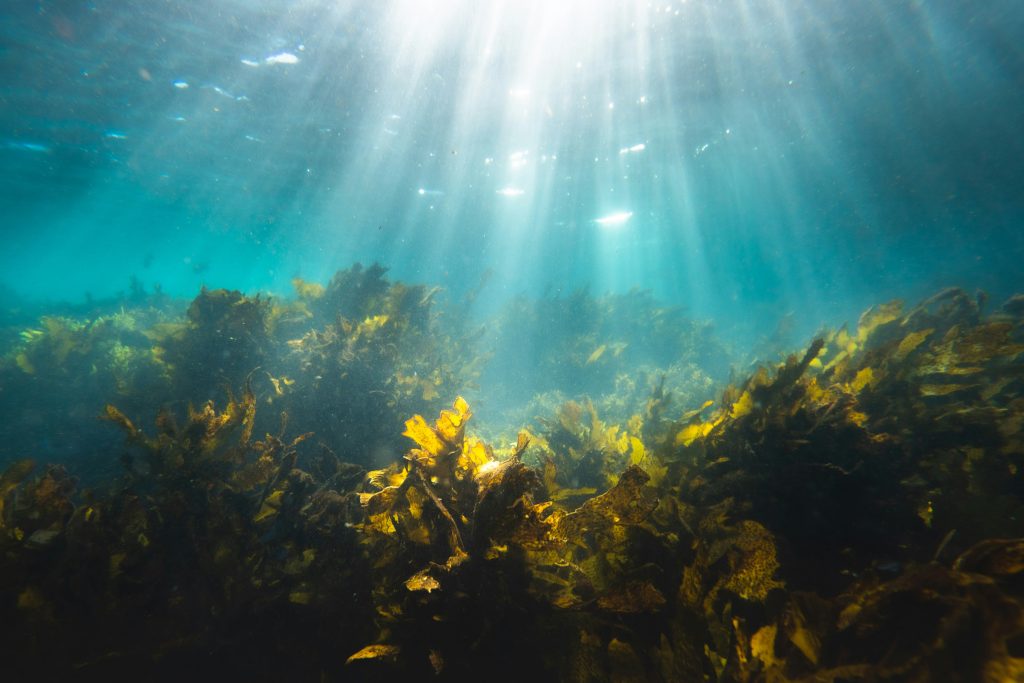
Let’s clear up the biggest misconception first: seaweed is not a plant. It looks like one, it photosynthesizes like one, and it even has parts that resemble roots, stems, and leaves — but botanically, seaweed belongs to a completely different kingdom of life called algae. What looks like a “root” is actually a holdfast, which does exactly what it sounds like: it holds the seaweed onto rocks, reefs, or the seafloor so it doesn’t drift away. The “stem” is called a stipe, and the “leaves” are blades.
Seaweed comes in three broad color categories — green, brown, and red — and each group has evolved a completely different survival strategy depending on how deep it grows and how much sunlight it can capture. Brown seaweeds, including the giant kelps, tend to dominate colder, nutrient-rich waters, while green and red seaweeds are more common in the warmer, shallower waters divers encounter around Kovalam. Every single one of these categories plays a role in the underwater ecosystem that scuba divers explore, often without even realizing it.
This is the first mind-blowing fact of seaweed scuba diving: you’re not swimming past “seaweed,” you’re swimming through an entire alien kingdom of life that has been quietly running the ocean’s life-support systems for over a billion years.
Fact #1: Seaweed Produces More Oxygen Than Every Rainforest Combined
Here’s a sentence that tends to stop people mid-scroll: a huge share of the oxygen you’re breathing right now didn’t come from the Amazon rainforest — it came from the ocean. Marine algae, including seaweed and its microscopic cousin phytoplankton, are responsible for generating a majority of the planet’s oxygen supply. Some researchers estimate the figure sits somewhere between 50% and 80%, depending on region and season, dwarfing the oxygen output of every terrestrial forest combined.
Every time you take a breath on land, there’s a real chance that oxygen molecule started its life underwater, released by a strand of seaweed or a colony of algae drifting somewhere in the open ocean. When you go seaweed scuba diving in Kovalam, you’re not just observing scenery — you’re swimming through one of Earth’s primary oxygen generators, quietly working away in real time beneath your fins.
Fact #2: Some Seaweed Grows Fast Enough to Watch It Happen
If you’ve ever wanted to witness “instant” growth in nature, seaweed might be the closest thing to it. Giant kelp, one of the fastest-growing organisms on the planet, can grow up to half a meter in a single day under ideal conditions. That’s not a typo — nearly two feet of new growth in 24 hours. While the seaweed found along Kerala’s coast isn’t giant kelp, many tropical species share a similarly explosive growth rate, which is why healthy seaweed beds can transform a barren patch of rock into a thriving marine forest within weeks.
This speed matters for divers. A reef or rocky patch that looks quiet on one visit can be completely transformed by the next, hosting new fish, new colors, and new textures. Regular seaweed scuba diving in Kovalam means no two dives ever look quite the same, because the underwater landscape is constantly rewriting itself.
Fact #3: Seaweed Forests Are Nurseries for Baby Marine Life
Coral reefs get most of the postcards, but seaweed beds quietly do some of the ocean’s most important work: they’re nurseries. Juvenile fish, baby crustaceans, and countless invertebrates use the dense, swaying blades of seaweed as camouflage and shelter from predators. The complex structure of a seaweed bed creates thousands of tiny hiding spots, giving young marine life a fighting chance to grow up before venturing into open water.
Divers exploring seaweed patches around Kovalam often spot juvenile fish species tucked between blades, moving in perfect sync with the current to stay hidden. It’s one of the quieter joys of seaweed scuba diving — slowing down enough to notice tiny lives unfolding in what looks, at first glance, like empty green fluff.
Fact #4: Ghost Pipefish and Other Masters of Disguise Live Here
Few creatures in the ocean are better at disguise than the fish that have evolved to look exactly like seaweed itself. Certain species, such as the ghost pipefish, have developed body shapes and colors so similar to swaying algae that they become almost invisible while drifting in a seaweed bed. This isn’t a coincidence — it’s millions of years of evolutionary pressure rewarding the fish that blended in best.
For a diver, spotting one of these masters of disguise feels like winning a game you didn’t know you were playing. Guides at Bond Safari often point out subtle movements in the seaweed that reveal a creature hiding in plain sight — a small thrill that keeps experienced divers coming back to the same sites again and again, because seaweed scuba diving rewards patience and a sharp eye in a way that open-water diving rarely does.
Fact #5: Seaweed Is a Silent Climate Warrior
Climate change conversations tend to focus on forests and emissions, but the ocean’s algae are quietly doing heavy lifting of their own. Seaweed absorbs carbon dioxide from the water during photosynthesis, and large seaweed ecosystems can lock away meaningful amounts of carbon over time. Some marine scientists have pointed out that if seaweed forests covered a relatively small percentage of the ocean’s surface, their carbon absorption could rival or exceed emissions from entire industries on land.
This is part of what makes coastal ecosystems like the ones near Kovalam so valuable — not just for tourism and diving, but for the health of the planet. Every seaweed bed a diver swims through is part of a much larger, largely invisible climate system working in our favor.
Fact #6: Seaweed Has Been Used as Medicine for Centuries
Long before modern pharmaceuticals, coastal communities around the world were using seaweed as medicine. It’s rich in iodine, iron, and antioxidants, and traditional uses have ranged from treating skin conditions to supporting respiratory health. Modern research has continued this thread, exploring seaweed-derived compounds for uses in wound care, immune support, and even in some experimental treatments for viral infections.
It’s also the hidden ingredient behind everyday products most people use without a second thought — the gel-like texture in ice cream, toothpaste, and cosmetics often comes from compounds extracted from seaweed. The “ocean weed” that divers glide past during a dive is, in many cases, the same organism sitting in a tube in someone’s bathroom cabinet.
Fact #7: A Seaweed Forest Can Rebuild an Entire Coastline’s Health
Seaweed doesn’t just support the creatures living inside it — it actively protects the coastline around it. Dense seaweed beds slow down wave energy, reduce coastal erosion, and filter excess nutrients out of the water, which helps keep nearby reefs healthier. In areas where seaweed has been damaged or removed, coastlines often become more vulnerable to erosion, and nearby marine life can decline as water quality drops.
This is one of the reasons Bond Safari treats the marine environment around Kovalam with the same respect divers show a coral reef. A healthy seaweed bed isn’t a random patch of “sea grass” to swim past quickly — it’s infrastructure, built entirely by nature, holding an entire coastal ecosystem together.
Why Seaweed Scuba Diving in Kovalam Feels Like Visiting an Alien Planet
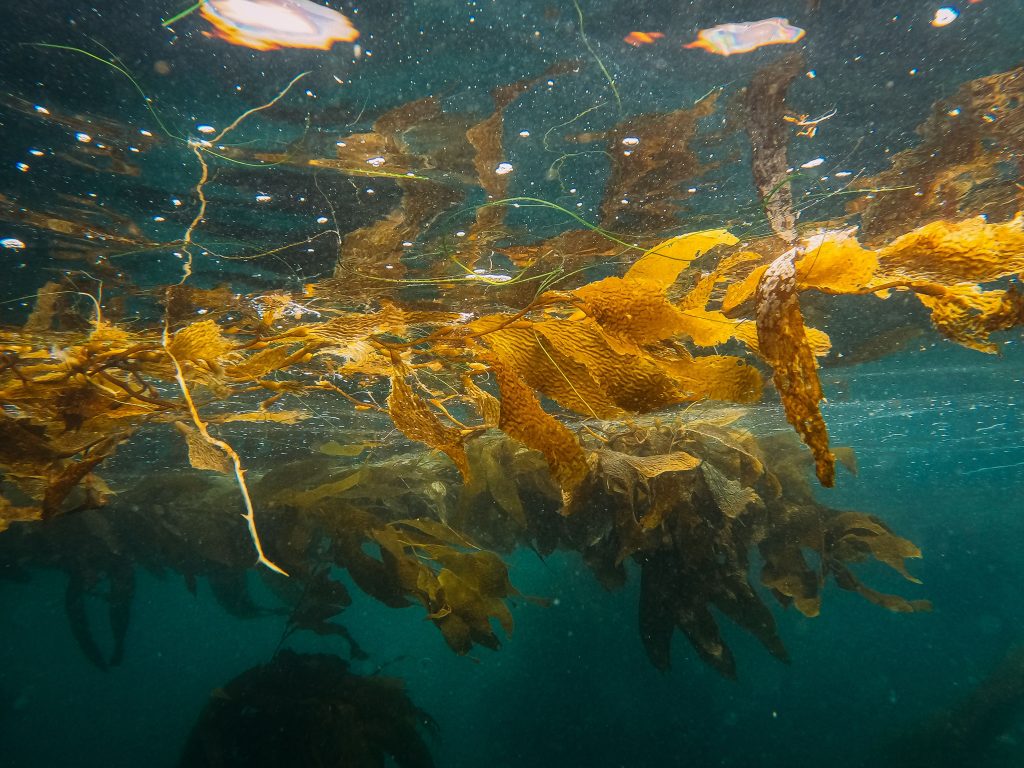
Ask any diver who has spent time in a seaweed bed and they’ll describe the same sensation: it feels less like being in the ocean and more like floating through an alien forest. Sunlight filters down in shifting shafts through the swaying blades. Fish dart in and out of the greenery like birds weaving through tree branches. The current moves the entire “forest” in slow, rhythmic waves, and for a few minutes, it’s easy to forget you’re on Earth at all.
Kovalam’s underwater terrain offers this experience in a way that’s accessible even to newer divers. Unlike deep offshore reef systems that require advanced certification, many of the seaweed-rich zones near Kovalam sit at depths well within reach of beginner and intermediate divers. That accessibility is exactly why seaweed scuba diving in Kovalam has become such a popular add-on for divers who want something different from the usual reef tour — a slower, stranger, more meditative kind of dive.
What You’ll Actually See During a Seaweed Scuba Diving Session in Kovalam
A typical seaweed scuba diving session with Bond Safari isn’t just about seaweed itself — it’s about everything the seaweed supports. Expect to see:
- Juvenile reef fish using the seaweed as a nursery and hiding spot
- Crabs and shrimp tucked between blades, often visible only when they move
- Sea turtles grazing on softer seaweed varieties as part of their diet
- Small predatory fish patrolling the edges of the seaweed bed, waiting for an easy meal
- Camouflaged species like pipefish and certain gobies that mimic the seaweed’s color and shape
- Sudden bursts of color from tropical fish darting through the green backdrop, made more vivid by the contrast
Every one of these sightings is more likely, not less, in a seaweed-rich zone compared to open sandy seabeds. That’s the practical, exciting truth beneath all the science: seaweed scuba diving in Kovalam consistently delivers more marine life encounters per dive than plain, featureless stretches of ocean floor.
The Secret Life Beneath the Blades
Most divers glide past seaweed beds the way most beachgoers glide past a pile of it on the sand — quickly, without much interest. But slow down, and an entirely different world reveals itself. Beneath a single patch of swaying blades, there might be a dozen species interacting at once: tiny crustaceans grazing on algae, juvenile fish hiding from a larger predator patrolling just meters away, and microscopic organisms forming the very base of the food chain that eventually supports the bigger fish, turtles, and even the occasional reef shark spotted further out.
This layered complexity is part of why experienced dive instructors at Bond Safari often encourage guests to spend extra time in seaweed zones rather than rushing toward the “main event” of a dive site. The secret life beneath the blades isn’t a side attraction — for many marine biologists, it’s the main event, because it represents one of the most productive and important habitats in the entire coastal ecosystem.
How Seaweed Keeps Kovalam’s Coastal Waters Healthy
Kovalam’s reputation as a diving destination depends on water quality, visibility, and a thriving reef ecosystem — and seaweed quietly supports all three. Seaweed beds filter excess nutrients from the water, which helps prevent the kind of algal blooms that can reduce visibility and harm reef health. They also provide a buffer zone that reduces the impact of waves and currents on more fragile coral structures further offshore.
In a very real sense, the health of Kovalam’s more “famous” dive attractions — its coral patches, its turtle sightings, its schools of tropical fish — depends on the quiet, unglamorous work being done by seaweed beds nearby. It’s a reminder that in a healthy marine ecosystem, nothing works in isolation. Protecting seaweed means protecting everything downstream of it, including the very dive experiences visitors come to Kovalam for.
Best Time of Year for Seaweed Scuba Diving in Kovalam
Timing matters when it comes to seaweed. Growth cycles shift with water temperature, sunlight, and monsoon patterns, which means visibility and seaweed density near Kovalam change throughout the year. Generally, the calmer post-monsoon and winter months — from around October through March — offer the clearest waters and the most vibrant seaweed growth, making this the ideal window for seaweed scuba diving in Kovalam.
During this period, sunlight penetrates deeper into the water, giving seaweed beds a brighter, more vivid appearance and making it easier to spot the small creatures hiding within them. Bond Safari’s dive team monitors these seasonal shifts closely, so guests booking a dive during peak months can expect some of the richest, most colorful seaweed scenery of the year.
Tips for First-Time Divers Exploring Seaweed Gardens
Seaweed scuba diving is beginner-friendly, but a few tips can make the experience even better:
- Move slowly. Fast movements scare away the small, camouflaged creatures that make seaweed beds so interesting.
- Look for movement, not shape. Many seaweed-mimicking species are nearly invisible until they shift position.
- Avoid touching the seaweed. It’s a living organism and a fragile habitat — treat it the way you’d treat coral.
- Bring a dive light if diving in the early morning or late afternoon. It reveals colors that ambient light can wash out.
- Ask your instructor about the site’s marine residents. Bond Safari’s guides know exactly where to find hidden species within the seaweed.
Following these simple habits doesn’t just protect the ecosystem — it dramatically increases how much a diver actually sees during a session, turning a casual swim-through into a genuinely memorable encounter.
Marine Conservation: Why Bond Safari Champions Ocean Health
Bond Safari’s approach to diving in Kovalam has always centered on respecting the ocean as much as exploring it. That philosophy extends fully to seaweed ecosystems, which are often overlooked compared to coral reefs despite being just as ecologically important. Instructors are trained to guide divers through these zones responsibly — pointing out marine life without disturbing it, and reinforcing simple no-touch practices that keep these fragile habitats intact for future visitors.
This is also why Bond Safari has built a growing library of ocean-life content, from a deep dive into the lives of sea turtles along the Kerala coast to explorations of shark species and manta ray encounters near Kovalam. Seaweed scuba diving fits naturally into that same mission: helping visitors fall in love with the ocean by understanding it, one dive and one species at a time.
Seaweed and Scuba Diving: A Partnership Most Divers Never Expected
It’s easy to see why seaweed doesn’t get the same hype as coral reefs or shipwrecks in travel brochures. It doesn’t have the bright, symmetrical beauty of a coral garden, and it doesn’t come with the drama of a sunken ship. But for divers who take the time to actually explore it, seaweed scuba diving in Kovalam offers something coral reefs often can’t: a living, breathing, constantly shifting ecosystem where something new is happening every single week.
Add in the oxygen production, the carbon absorption, the coastline protection, and the sheer density of marine life it supports, and seaweed starts to look less like background scenery and more like the unsung hero of the entire underwater world. Every fact on this list points to the same conclusion: seaweed is doing far more work, and hiding far more life, than most people ever give it credit for.
Ready to Explore the Underwater World Yourself?
Reading about seaweed scuba diving in Kovalam is one thing. Floating through a swaying green forest, spotting a camouflaged pipefish, and watching a juvenile fish dart for cover between the blades is an entirely different experience — one that photos and blog posts can only hint at.
Bond Safari Kovalam runs guided seaweed scuba diving sessions suited to both beginners and certified divers, with experienced instructors who know exactly where Kovalam’s underwater gardens come alive. Whether you’re chasing your first PADI certification or you’re a seasoned diver looking for something different from the usual reef route, this is the kind of dive that turns first-timers into lifelong ocean lovers.
Book your seaweed scuba diving session at Bond Safari Kovalam today and see for yourself why the “boring green stuff” might just become the highlight of your trip to Kerala.
Frequently Asked Questions About Seaweed Scuba Diving in Kovalam
Is seaweed scuba diving suitable for beginners? Yes. Most seaweed-rich zones near Kovalam sit at depths accessible to beginner and intermediate divers, and Bond Safari’s instructors tailor each session to the diver’s experience level.
Will I need special equipment for seaweed scuba diving? No special gear is required beyond standard scuba equipment. A dive light is helpful for spotting camouflaged marine life but isn’t mandatory.
Is it safe to touch the seaweed while diving? It’s best not to. Seaweed is a living organism and an important habitat, and minimizing contact helps preserve the ecosystem for future divers.
What’s the best season for seaweed scuba diving in Kovalam? The post-monsoon and winter months, roughly October through March, generally offer the clearest water and healthiest seaweed growth.
What marine life can I expect to see? Common sightings include juvenile reef fish, crabs, shrimp, camouflaged pipefish, and occasionally sea turtles grazing on softer seaweed varieties.