
There is a moment, roughly six metres below the surface of the Arabian Sea, when the noise of the world above simply disappears. Your own breathing turns into the loudest sound in the universe. Light filters down in shifting gold ribbons. And somewhere ahead, a wall of color that looks more like a painting than a living thing waits to be explored. This is the moment every diver chases, and it is exactly the moment Bond Safari Kovalam exists to give you. Coral reef scuba diving is not just a sport — it is a doorway into the single most biologically dense ecosystem on planet Earth, and Kovalam happens to be one of the most exciting gateways to that world on India’s southwestern coast.
If you have ever typed “coral reef scuba diving near me” into a search bar at 1 a.m., dreaming about fish that glow, coral that “breathes,” and reefs older than the pyramids, this blog is for you. We are going to walk through fifteen genuinely mind-blowing facts about coral reefs, connect each one to what you can actually experience during coral reef scuba diving with Bond Safari, and explain exactly why booking a dive should be next on your list — not someday, but soon.
Why Coral Reef Scuba Diving Changes the Way You See the Ocean
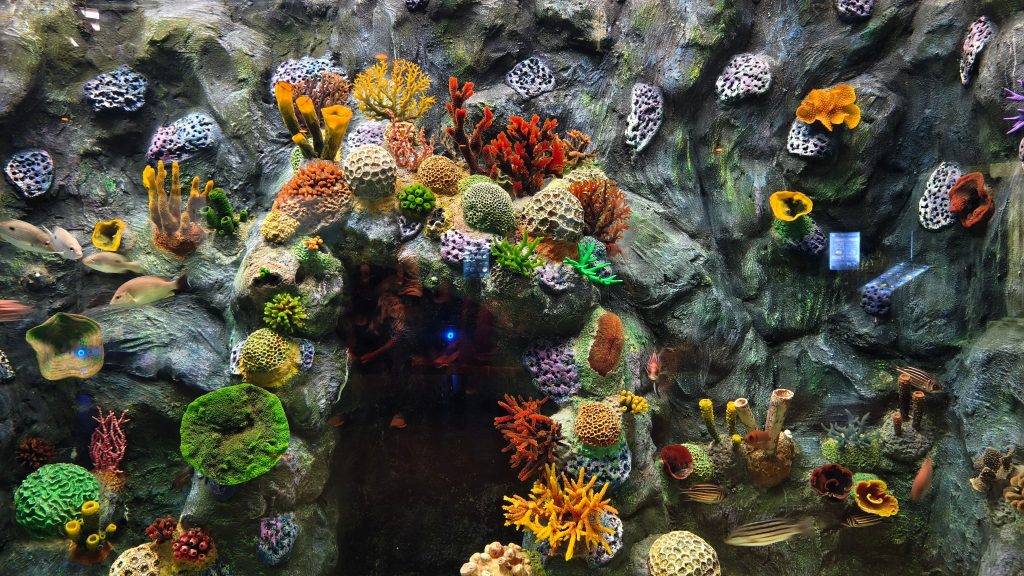
Most people picture the ocean as blue, empty, and a little intimidating. Coral reef scuba diving flips that image upside down. The moment you descend onto a healthy reef structure, you realize the ocean floor is not empty at all — it is a city. Reefs function like underwater metropolises, complete with highways (currents), neighborhoods (coral colonies), and residents that number in the millions per square kilometre. Scuba diving on a coral reef means swimming through the busiest, most colorful district of that city, and every dive reveals a different corner of it.
At Bond Safari Kovalam, coral reef scuba diving is designed for everyone — from someone who has never worn a mask and fins before to certified divers chasing their next logged dive. Our instructors don’t just take you underwater; they translate the reef for you, pointing out the tiny details a first-time diver might otherwise swim straight past. That combination of guided expertise and raw ocean wonder is what turns a single dive into a story you tell for years.
15 Mind-Blowing Facts About Coral Reefs
Buckle up (or rather, buckle your BCD), because these facts are the kind that make coral reef scuba diving feel less like a hobby and more like time travel.
1. Coral Reefs Are Animals, Not Plants or Rocks
This is the fact that surprises almost everyone. Coral looks like stone and grows like a plant, but each coral head is actually a colony of thousands of tiny animals called polyps, close relatives of jellyfish and sea anemones. Every polyp has a mouth ringed with tentacles that sting and capture microscopic food particles drifting through the water. When you touch a “rock” during coral reef scuba diving, you’re actually touching a living, breathing, eating organism — which is exactly why responsible divers are trained to never touch coral at all.
2. Reefs Cover Less Than 1% of the Ocean Floor but Support 25% of All Marine Species
Think about that ratio for a second. Coral reefs occupy less than one percent of the entire ocean floor, yet an estimated quarter of every fish, invertebrate, and marine creature on Earth depends on reefs at some stage of its life. That staggering concentration of biodiversity is precisely why coral reef scuba diving delivers more marine life sightings per minute than almost any other kind of diving. A single hour on a reef wall can introduce you to more species than a week of diving in open water.
3. Some Coral Colonies Are Older Than Human Civilization
Certain massive coral formations, particularly slow-growing species like brain coral, can live for several centuries — some documented colonies are estimated to be over 500 years old, quietly growing a few millimetres a year since before written history in much of the world. When you’re doing coral reef scuba diving next to a coral head that size, you’re floating beside something that predates most of recorded history.
4. Coral Reefs Glow Under Ultraviolet Light
Many coral species contain fluorescent proteins that cause them to glow in shades of green, orange, and red when exposed to ultraviolet light — a phenomenon scientists believe acts as a natural sunscreen, protecting the coral’s symbiotic algae from UV damage. Night diving with a UV torch on a healthy reef turns the entire seascape into something closer to a neon art installation than a natural habitat.
5. Coral and Algae Have a Life-or-Death Business Partnership
Inside every healthy coral polyp lives a microscopic algae called zooxanthellae. The algae photosynthesizes and shares up to 90% of the sugars it produces with the coral, while the coral provides the algae shelter and carbon dioxide. This partnership is so essential that when water gets too warm and the coral expels its algae — a process called bleaching — the coral effectively starves and turns ghostly white. Understanding this fragile partnership is part of why every Bond Safari coral reef scuba diving briefing includes a short talk on reef conservation.
6. The Great Barrier Reef Is the Only Living Structure Visible from Space
Stretching over 2,300 kilometres along Australia’s coast, the Great Barrier Reef is so vast it can be seen from orbit — the only living structure on the planet with that distinction. While Kovalam’s reef systems are a different scale entirely, the same biological principles that built that Australian giant are at work in every coral formation you’ll swim through during coral reef scuba diving here on India’s southwest coast.
7. Reefs Are Nurseries for a Quarter of the World’s Commercial Fish Species
Roughly a quarter of all fish caught for food globally spend at least part of their life cycle sheltering in coral reef ecosystems. The nooks, crevices, and branching structures of coral provide juvenile fish protection from predators that open water simply cannot offer. Every coral reef scuba diving trip is effectively a visit to one of the ocean’s most important maternity wards, which is exactly why so many small, brightly striped juvenile fish dart around reef structures in tight, nervous schools.
8. Coral Spawning Is One of Nature’s Largest Synchronized Events
Once a year, often triggered by the exact timing of the full moon, water temperature, and day length, entire coral reefs release billions of eggs and sperm into the water column within the same hour, creating an underwater “snowstorm” visible for kilometres. Marine biologists still consider synchronized coral spawning one of the most spectacular reproductive events in the natural world, on par with wildebeest migrations or monarch butterfly swarms.
9. Reefs Protect Coastlines Better Than Man-Made Barriers
Coral reefs absorb up to 97% of a wave’s energy before it reaches the shore, acting as natural breakwaters that reduce coastal erosion and storm damage. Coastal communities that lose their reefs often face dramatically higher flooding and erosion risks — a reminder that the coral you glide past during coral reef scuba diving is also quietly doing engineering work for the coastline above.
10. Some Coral Species Can “Walk”
While most corals are permanently fixed to the seafloor, certain mushroom coral species are mobile in their juvenile stage and can inch across the seabed using pulsing motions, effectively relocating themselves to better light or current conditions. It’s a detail most divers never learn until an instructor points it out mid-dive — exactly the kind of insight our team shares during Bond Safari coral reef scuba diving briefings.
11. Reefs Are Chemical Treasure Chests for Modern Medicine
Compounds derived from coral reef organisms have contributed to treatments for cancer, HIV, cardiovascular disease, and chronic pain, with researchers estimating that only a small fraction of reef species have been chemically studied so far. Every unexplored reef, in other words, is also a potential pharmacy still waiting to be read.
12. Coral Reefs Can Be Louder Than a Rock Concert — to the Right Ears
Snapping shrimp, parrotfish scraping algae off coral with their beak-like teeth, and countless other reef residents generate a constant crackle and pop that hydrophones pick up as a wall of sound. Healthy reefs are measurably noisier than degraded ones, and researchers now use underwater sound recordings to judge reef health from a distance. Strap on a mask during coral reef scuba diving and, if you listen closely between breaths, you can hear that crackle for yourself.
13. Parrotfish Produce the Sand on Tropical Beaches
Parrotfish bite off chunks of coral to reach the algae growing inside, grind the limestone in specialized throat structures, and excrete it as fine white sand — a single large parrotfish can produce several hundred kilograms of sand a year. The next time you walk barefoot on a tropical beach, there’s a real chance you’re standing on parrotfish output, and the next time you’re coral reef scuba diving, watch for the telltale cloud of white sand trailing behind a grazing parrotfish.
14. Reefs Took Millions of Years to Build, and Decades to Damage
Some of today’s largest reef structures began forming over 10,000 years ago, growing at a rate of just a few centimetres annually. Yet scientists estimate that roughly half of the world’s coral reefs have been lost or severely degraded in the last several decades due to warming oceans, pollution, and destructive fishing practices. That imbalance between build-time and damage-time is the single biggest argument for responsible, low-impact coral reef scuba diving practices like the ones Bond Safari trains every guest to follow.
15. A Thriving Reef Can Host More Species Per Square Metre Than a Rainforest
Pound for pound, a healthy coral reef can pack in a higher density of species than an equivalent patch of tropical rainforest, which is where the popular nickname “rainforests of the sea” comes from. That density is exactly why even a 40-minute coral reef scuba diving session can feel like flipping through an entire nature documentary in real time — every few metres bring a completely new cast of characters.
India’s Underwater Treasures: Where Coral Reefs Meet the Arabian Sea
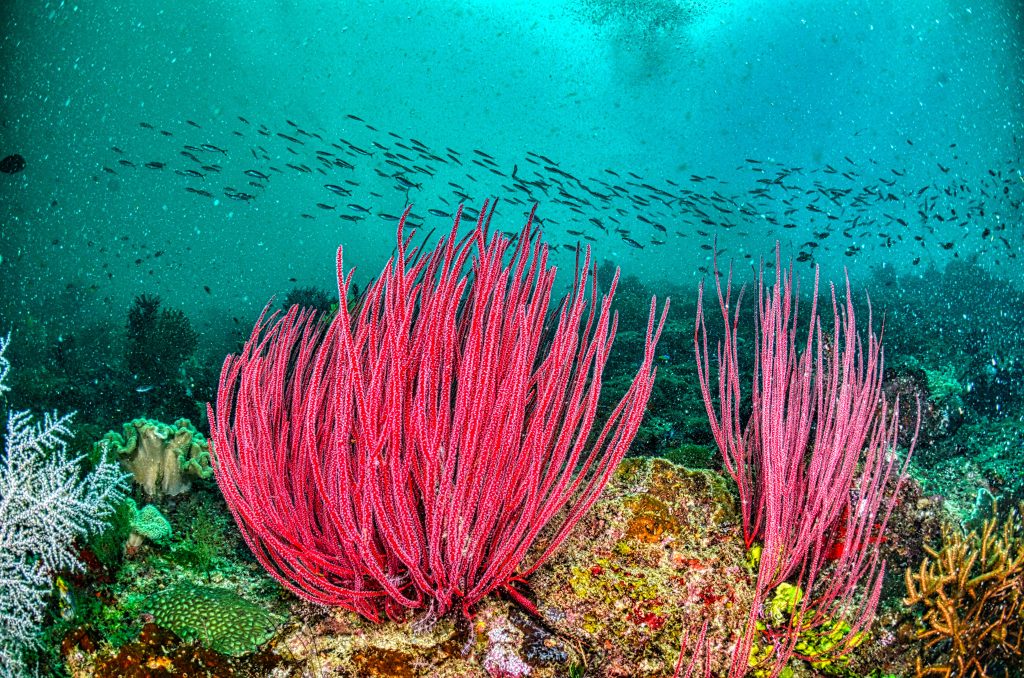
India is home to four major coral reef regions — the Gulf of Mannar, the Gulf of Kutch, Lakshadweep, and the Andaman and Nicobar Islands — each hosting distinct reef structures and marine communities along the country’s coastline. The Gulf of Mannar Marine National Park alone is recognized as one of the richest coastal biodiversity zones in Asia, home to thousands of species of flora and fauna, according to the Gulf of Mannar Marine National Park’s official profile. Kerala’s coastline, including the waters around Kovalam, sits within reach of this broader Indian Ocean reef network, with rocky reef structures, coral patches, and a rich diversity of tropical marine life that make coral reef scuba diving here a genuinely rewarding experience rather than a watered-down substitute for “real” reef diving abroad.
What makes coral reef scuba diving around Kovalam special isn’t that it tries to be the Great Barrier Reef — it’s that it offers accessible, boat-based access to a living reef ecosystem just minutes from one of Kerala’s most famous beaches. You don’t need a long-haul flight or a multi-day liveaboard booking to see coral polyps, reef fish, and the full choreography of an underwater ecosystem. You need a short drive to Bond Safari, a signed waiver, and a sense of curiosity.
Coral Reef Scuba Diving in Kovalam: What to Expect at Bond Safari
Every coral reef scuba diving session at Bond Safari begins on land, not underwater. Our instructors walk you through equipment, hand signals, breathing technique, and buoyancy basics before you ever step off the boat. For first-timers, this briefing typically runs alongside a Discover Scuba Diving session — a beginner-friendly, PADI-aligned introduction that requires no prior certification.
Once you’re geared up, a short boat ride takes you out to Kovalam’s dive sites, where visibility, currents, and marine activity are briefed in real time by your instructor. Descending for the first time is disorienting for about thirty seconds — and then it clicks. Your breathing settles into a rhythm, your buoyancy stabilizes, and the reef structure below starts resolving into individual coral heads, sponges, anemones, and fish. This is the exact moment most first-time guests tell us they understood, instantly, why people get hooked on coral reef scuba diving for life.
Certified divers get a different experience entirely. Bond Safari’s dive team can tailor coral reef scuba diving trips around specific interests — macro photography, drift diving, deeper wall dives for Advanced Open Water divers, or simply a relaxed reef cruise for guests who want to log hours without pushing their limits. Whatever level you’re diving at, every trip ends with a debrief where instructors help you identify what you saw, because half the fun of coral reef scuba diving is learning the names of the creatures that just swam past your mask.
Marine Life You’ll Encounter During Coral Reef Scuba Diving
Reef ecosystems along Kerala’s coast host an impressive cross-section of Indian Ocean marine life, and coral reef scuba diving trips with Bond Safari regularly turn up sightings that make even experienced divers reach for their cameras.
- Reef fish schools — Parrotfish, butterflyfish, angelfish, and damselfish move through coral structures in constantly shifting formations, often changing direction as one unit within a fraction of a second.
- Moray eels — Tucked into crevices with just their heads visible, morays look intimidating but are generally shy, opening and closing their mouths simply to breathe rather than as a threat display.
- Sea turtles — Green and olive ridley turtles are known to pass through Kerala’s coastal waters, occasionally gliding past divers with an unhurried grace that never fails to draw gasps through regulators.
- Octopuses and cuttlefish — Masters of camouflage, these cephalopods can change color and texture in less than a second, making them one of the most satisfying “spot the animal” challenges during any coral reef scuba diving trip.
- Nudibranchs — Tiny, impossibly colorful sea slugs that reward divers who slow down and look closely at coral crevices rather than cruising past them.
- Rays — Depending on the season and site, divers can encounter various ray species gliding just above the sea floor, often near sandy patches adjacent to reef structures.
Every one of these species depends, directly or indirectly, on the coral structures that anchor the ecosystem — which is exactly why coral reef scuba diving is as much a biology lesson as it is an adventure sport.
Why Coral Reefs Need Protection (and How Divers Help)
Coral reefs worldwide are under serious pressure from rising sea temperatures, pollution, and unsustainable coastal development, and scientists have repeatedly flagged the shrinking window available to protect what remains. According to the U.S. National Oceanic and Atmospheric Administration, coral reefs rank among the most valuable ecosystems on Earth, providing services worth billions of dollars annually through tourism, fisheries, and coastal protection — a reminder that reef health and human economies are directly linked. You can read more about ongoing global reef research through NOAA’s Coral Reef Conservation Program.
Every guest who books coral reef scuba diving with Bond Safari is briefed on responsible diving practices: no touching coral, careful buoyancy control to avoid accidental fin contact, no removing shells or marine life from the site, and no chasing or crowding animals for a photo. These aren’t bureaucratic rules — they’re the difference between a reef that stays vibrant for the next generation of divers and one that quietly degrades from thousands of small, avoidable impacts. Responsible coral reef scuba diving is, in a very real sense, a form of conservation tourism: the more people fall in love with reefs underwater, the more support exists for protecting them above the surface.
PADI Certification and Coral Reef Scuba Diving Courses at Bond Safari
If your first coral reef scuba diving session leaves you wanting more — and for most people, it does — Bond Safari offers a full pathway of PADI courses designed to take you from complete beginner to confident, independently certified diver.
- Discover Scuba Diving — A single guided dive, no certification required, ideal for testing the waters (literally) before committing to a full course.
- PADI Open Water Diver — The globally recognized entry-level certification that qualifies you to dive independently with a buddy up to 18 metres, anywhere in the world.
- PADI Advanced Open Water Diver — Builds on Open Water training with deeper dives, navigation skills, and specialty introductions like night diving or wreck diving.
- PADI Divemaster — For guests who want to turn coral reef scuba diving from a hobby into a career, this professional-level course is the first rung on the ladder toward becoming a certified dive leader.
Bond Safari has helped guests move through this entire pathway, including students who went on to work as dive instructors abroad — proof that a single Discover Scuba session in Kovalam can, for the right person, turn into a completely different life trajectory.
Best Time for Coral Reef Scuba Diving in Kovalam
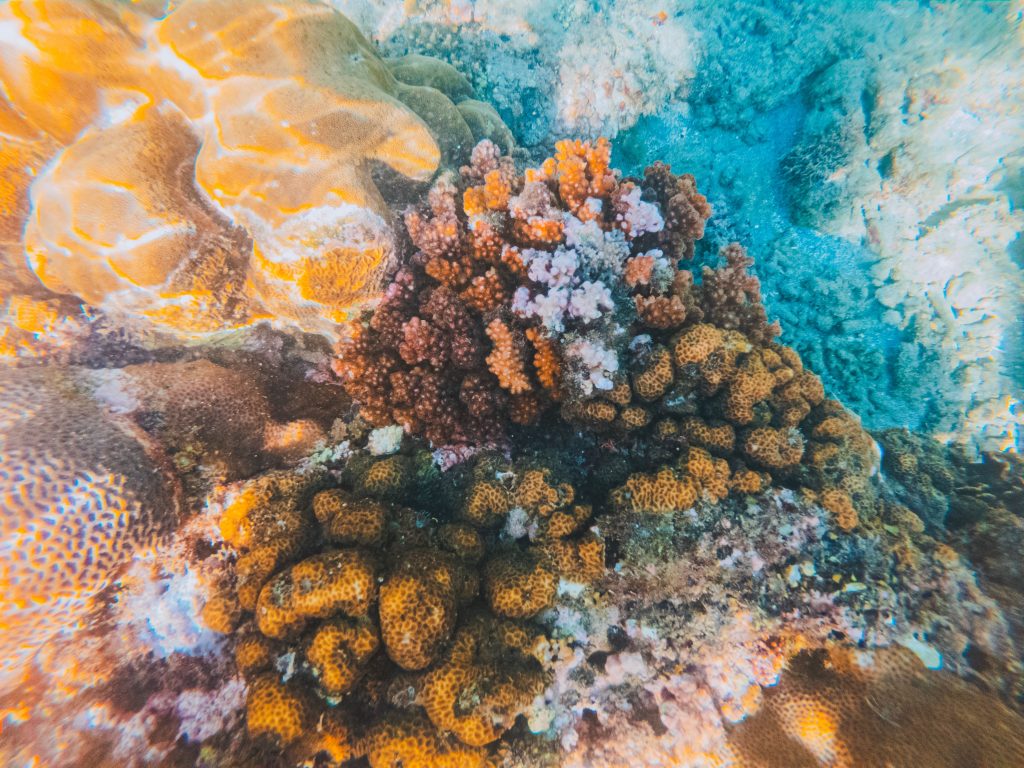
Timing matters for any reef diving destination, and Kovalam is no exception. The post-monsoon and winter months generally offer calmer seas and better underwater visibility, making them the most popular window for coral reef scuba diving along this stretch of coast. Our team monitors sea conditions daily and will always be upfront if visibility or swell conditions aren’t ideal for a particular trip — a good dive operator prioritizes your safety and experience over simply filling a boat.
That said, Kovalam’s dive sites remain accessible across a wide part of the year, and Bond Safari’s instructors adjust site selection and dive plans to match current conditions, so coral reef scuba diving trips can often still go ahead even outside the peak visibility window, just at sites better suited to the day’s sea state.
Photography Tips for Your Coral Reef Scuba Diving Trip
A reef this colorful deserves to be documented, and a few simple habits make a huge difference in the quality of underwater shots:
- Get close, then get closer. Water reduces color and contrast fast, so the shorter the distance between your lens and the subject, the more vivid your images will be.
- Shoot upward when possible. Angling slightly upward toward the surface captures sunbeams and silhouettes that make reef photos feel three-dimensional.
- Slow your fin kicks near the reef. Sediment clouds ruin more underwater photos than any camera setting ever could.
- Ask your instructor to point out photogenic residents. Nudibranchs, anemonefish, and small crustaceans are often easy to miss without a guide who dives that site regularly.
Guests frequently tell us their coral reef scuba diving photos end up as some of the most-liked posts on their social media — which, honestly, tracks. Not much else competes visually with a wall of living coral.
What to Pack for Your Coral Reef Scuba Diving Session
Preparation makes the difference between a smooth dive and a stressful one, and a little planning ahead goes a long way before any coral reef scuba diving trip.
- Swimwear and a rash guard. A rash guard adds sun protection and a small buffer against incidental brushes with rock or coral structures.
- Reef-safe sunscreen. Standard sunscreens contain chemicals linked to coral bleaching in high concentrations near popular dive sites, so a mineral-based, reef-safe option is the more responsible choice.
- A change of clothes and a dry bag. Salt water and sand have a way of finding everything in your bag, so a simple dry bag keeps your essentials protected.
- A GoPro or waterproof camera, if you have one. Bond Safari can also arrange photo and video coverage of your coral reef scuba diving session for guests who’d rather stay fully present underwater.
- A light snack and water for after. Diving is more physically involved than it looks, and most guests are pleasantly hungry by the time the boat returns to shore.
- Any relevant medical information. If you have a medical condition that could affect diving, mention it during booking so Bond Safari’s team can plan your coral reef scuba diving session safely around it.
Equipment itself — tanks, regulators, BCDs, masks, and fins — is provided and fitted on-site, so there’s no need to own or transport your own gear for a first coral reef scuba diving experience.
Common Beginner Mistakes During Coral Reef Scuba Diving (and How to Avoid Them)
Every instructor at Bond Safari has seen the same handful of rookie habits show up again and again during a first coral reef scuba diving session — and none of them are anything to be embarrassed about, since they’re easy to correct with a little guidance.
Overweighting or underweighting. Struggling to stay neutrally buoyant is almost always a weighting issue, not a skill issue. Your instructor will adjust this before you even leave the boat, and again underwater if needed.
Holding your breath. It’s an instinct left over from swimming, but holding your breath while scuba diving is actually discouraged — slow, continuous breathing is safer and also happens to make buoyancy control far easier.
Using your hands to swim. Fins do the work during coral reef scuba diving; hands are for signals, cameras, and steadying yourself, not propulsion. Keeping your hands still also protects the reef from accidental contact.
Chasing marine life. Fish and turtles almost always swim away from a diver moving toward them quickly, but will often continue their natural behavior undisturbed if you stay still and let them approach on their own terms.
Forgetting to equalize early. Waiting too long to equalize ear pressure on descent is one of the most common causes of minor dive discomfort — Bond Safari instructors coach guests to equalize early and often, well before any pressure builds.
None of these mistakes are dealbreakers. They’re simply part of the learning curve, and a good instructor treats them as completely normal steps on the way to feeling comfortable during coral reef scuba diving.
Booking Your Coral Reef Scuba Diving Adventure with Bond Safari
Reading about coral reefs is one thing. Floating weightlessly beside one, watching a parrotfish graze, an octopus shift color, or a school of fish part around your outstretched hand, is an entirely different category of experience — and it’s one that’s genuinely accessible, whether you’re a lifelong ocean lover or someone who has never so much as snorkeled before.
Bond Safari Kovalam runs daily coral reef scuba diving trips for both first-timers and certified divers, alongside parasailing and other water sports for guests who want to build a full day around the ocean. Slots fill quickly during peak season, so if any of the fifteen facts above got your curiosity going, the smartest next step is simple: check availability and lock in your date before the good weather windows book out.
Ready to see a living reef with your own eyes? Book your coral reef scuba diving session with Bond Safari Kovalam today, or explore our PADI diving courses if you’re ready to go from first dive to certified diver. You can also check out our parasailing experiences to round out your day on the water.
Frequently Asked Questions About Coral Reef Scuba Diving in Kovalam
Do I need prior experience for coral reef scuba diving? No. Bond Safari’s Discover Scuba Diving program is built for complete beginners, with a full briefing and one-on-one instructor supervision throughout the dive.
Is coral reef scuba diving safe for non-swimmers? Basic water comfort helps, but you don’t need to be a strong swimmer. Equipment, buoyancy control, and instructor guidance handle most of the work; your job is mainly to breathe normally and stay calm.
What should I bring for a coral reef scuba diving trip? Swimwear, a towel, sunscreen (reef-safe if possible), a change of clothes, and a GoPro or underwater camera if you want to capture the dive. Bond Safari provides all diving equipment.
How deep does coral reef scuba diving go in Kovalam? Discover dives typically stay in shallower, well-lit depths ideal for beginners, while certified divers can go deeper depending on their certification level and the day’s site conditions.
Can kids do coral reef scuba diving? Age minimums apply based on PADI guidelines and local safety policy — reach out to Bond Safari directly for current age requirements and family booking options.
How long does a coral reef scuba diving session last? A typical Discover Scuba session, including briefing, boat transfer, and the dive itself, usually runs between one and two hours, while certified dives can be structured as multi-tank trips for guests who want more time underwater in a single outing.
Final Thoughts: The Reef Is Waiting
Coral reefs are, without much exaggeration, one of the most extraordinary things our planet has produced — ancient, fragile, deafeningly alive, and packed into a space that covers less than one percent of the ocean floor. Every fact on this list is a small reminder that the ocean isn’t background scenery; it’s an entire civilization of species going about its business a few metres beneath the surface, and coral reef scuba diving is quite simply the fastest way to become a visitor in that world.
Kovalam doesn’t need to compete with the world’s most famous reef systems to offer something worth getting in the water for. It offers accessibility, expert instruction, and a genuine, living reef ecosystem within reach of a single afternoon. Bond Safari has spent years building the kind of coral reef scuba diving program that turns curious first-timers into lifelong divers — sometimes even into working dive professionals.
So the next time you catch yourself scrolling reef photos online and wishing you could see it for real, remember: you don’t have to wish. You can book it.